
Building a Youth Rugby Pathway in Colorado: 5 Steps and 50+ Proven Strategies to Develop Future Stars and Boost Participation

Rugby is growing fast in Colorado. From Denver to Boulder to Glendale, more kids are discovering the sport, and more coaches and clubs are asking the same question: how do we build something that lasts?
This guide breaks it down. Five clear steps to create a youth rugby pathway that actually works, plus 50+ proven strategies to get more players on the pitch and keep them coming back.
Let's get into it.
The 5 Steps to Building a Youth Rugby Pathway
Step 1: Structure Age-Appropriate Progression
You can't throw a 7-year-old into full contact and expect them to fall in love with rugby. The pathway needs to meet kids where they are.
Here's what works in Colorado:
U6-U8: Flag rugby or touch. Focus on running, catching, and having fun.
U10-U12: Introduction to contact with modified rules. Tackle technique starts here.
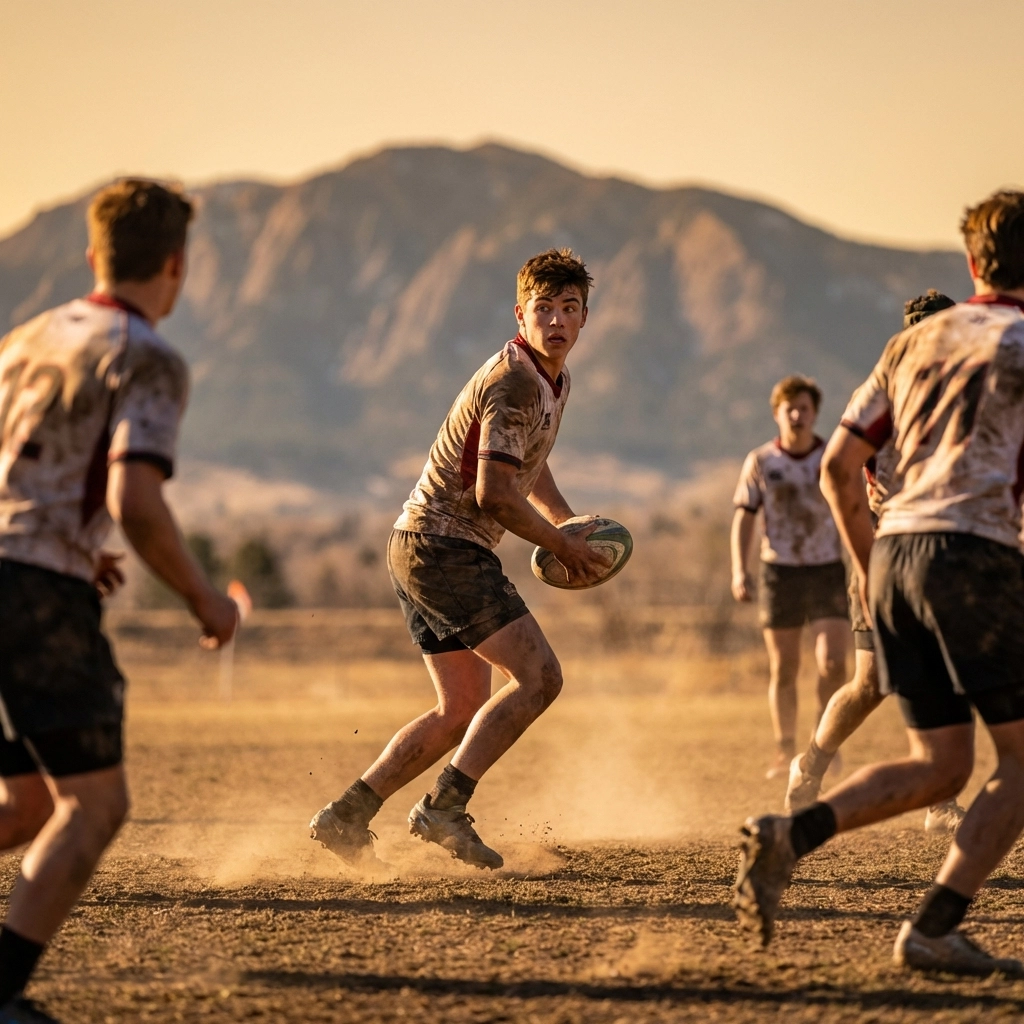
Middle School (U13-U14): Full contact with competitive play. Skills get sharper.
High School: Club or school teams with pathways to regional and national competition.
Programs like Glendale Youth Rugby and Boulder Rugby have nailed this model, offering non-contact, try league, and competitive options at every level. The key is giving families choices that fit their comfort level.

Step 2: Make It Accessible and Affordable
Cost kills participation. Full stop.
If registration fees, gear, and travel expenses stack up too high, families walk away. The best Colorado programs tackle this head-on:
Tiered pricing based on age and commitment level ($150-$210 is common)
Scholarship programs for families who need support
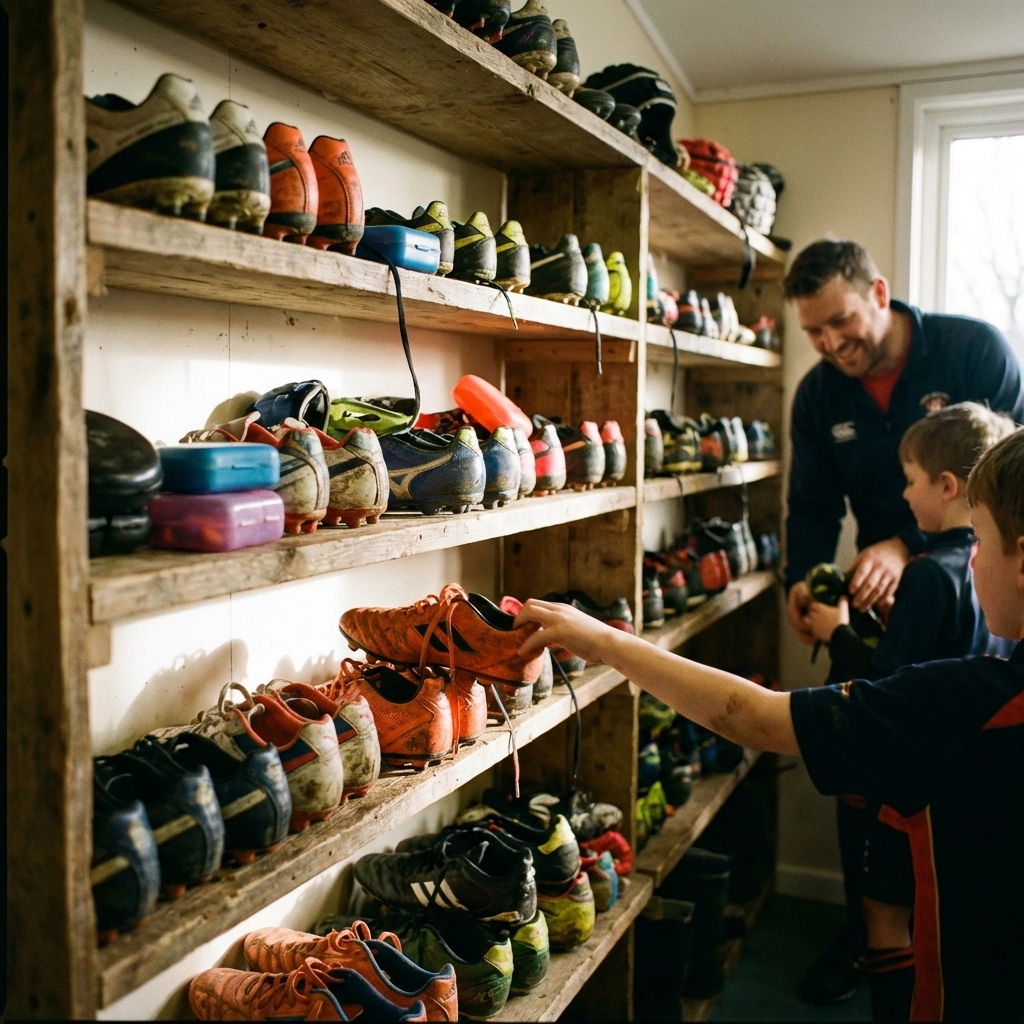
Gear lending libraries so no kid gets left out
Local training venues to minimize travel
Rugby shouldn't be a sport only affluent families can afford. Build accessibility into your DNA from day one.
Step 3: Invest in Qualified Coaching
Great coaches make great programs. It's that simple.
Every coach in your pathway should be:
USA Rugby certified
CPR and First Aid trained
Committed to player safety and age-appropriate development
Colorado has strong coaching development resources through Rugby Colorado and the National Governing Body. Use them. Send your coaches to clinics. Pair newer coaches with experienced mentors. The investment pays off in player retention and program reputation.
For more on coaching development, check out Inside the Huddle: How Coaching Development is Powering the Future of American Rugby.
Step 4: Create Multiple Entry Points
Not every kid finds rugby the same way. Some see it at school. Some have a friend who plays. Some stumble onto a YouTube video and get hooked.
Your pathway needs multiple doors:
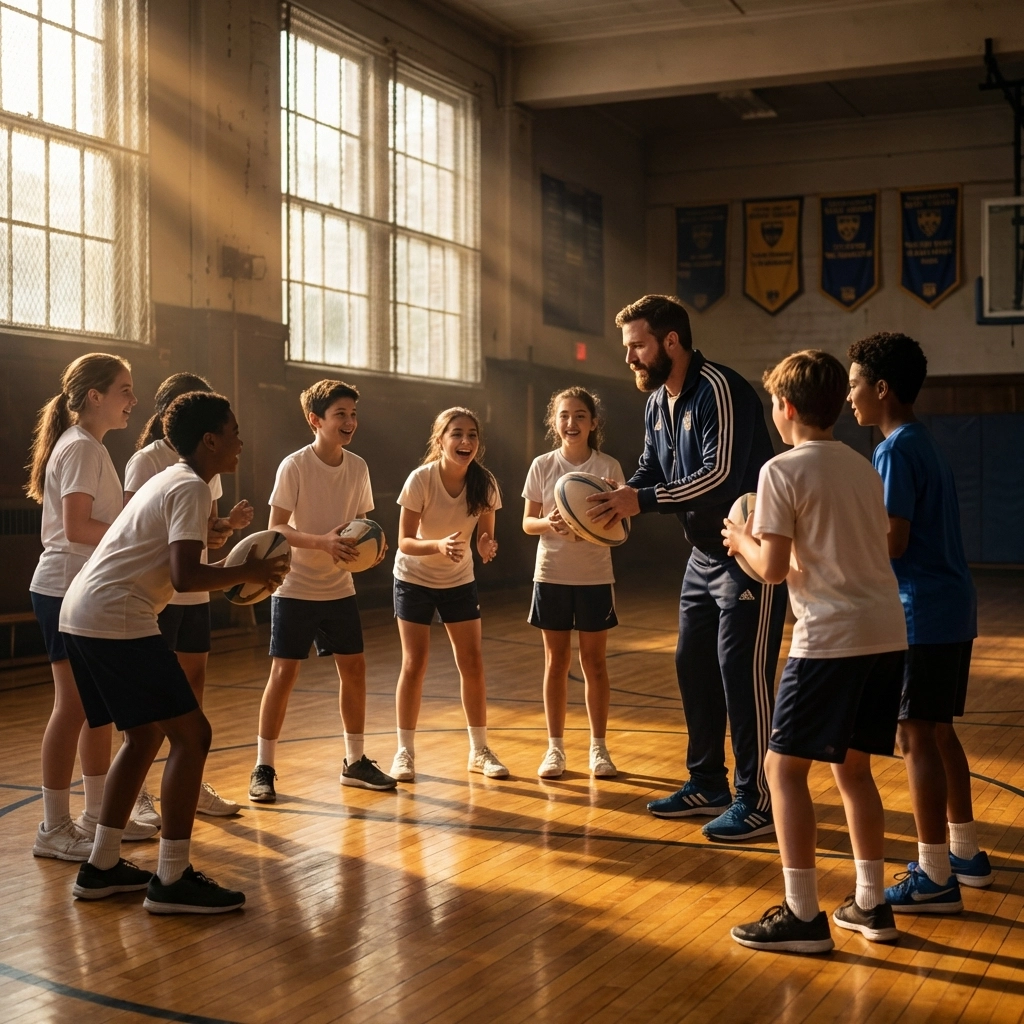
School PE programs introducing rugby basics
After-school clubs for curious beginners
Summer camps for deeper immersion
Try rugby events with zero commitment
Flag leagues for the contact-hesitant
Glendale's model of outreach in PE classes and after-school events has introduced thousands of Denver-area kids to the sport. Cast a wide net.
Step 5: Build Clear Pathways to the Next Level
Kids stick with sports when they see a future. Show them where rugby can take them.
That means:
Clear progression from youth to high school programs
Connections to elite training opportunities
Information on college rugby recruiting
Exposure to regional and national competitions
Players who can see the pathway, from their first flag game to potentially playing in college, are more likely to commit for the long haul. Check out our Ultimate Guide to Rugby College Recruiting for resources to share with families.
50+ Proven Strategies to Boost Youth Rugby Participation
Now let's get tactical. Here are 50+ specific strategies organized by category. Pick what fits your program and start implementing.
Accessibility & Affordability (Strategies 1-10)
Offer tiered registration pricing by age group
Create a scholarship fund and promote it openly
Partner with local businesses for sponsorship to offset costs
Build a gear lending library for boots, mouthguards, and headgear
Host free "try rugby" sessions quarterly
Provide payment plans for registration fees
Choose training venues that minimize family travel
Offer sibling discounts
Partner with community organizations for facility access
Keep equipment requirements minimal for beginners
Program Structure (Strategies 11-20)
Create distinct programming for each age group
Offer both non-contact and contact options
Run separate fall, spring, and summer seasons
Build a flag rugby league as your foundation
Add strength and conditioning for older age groups
Create a middle school bridge program
Partner with existing high school programs
Offer flexible practice schedules (weekday and weekend options)
Keep team sizes manageable (12-18 players)
Build in regular scrimmages and game opportunities
Community Outreach (Strategies 21-30)
Partner with schools to run PE rugby units
Host after-school rugby clubs at local schools
Set up booths at community events and festivals
Run free clinics at parks and recreation centers
Invite local media to cover youth games
Create a referral program (players bring friends)
Host family rugby days with activities for all ages
Partner with Boys & Girls Clubs
Connect with homeschool networks
Run rugby demonstrations at halftime of local matches
Coaching & Safety (Strategies 31-38)
Require USA Rugby certification for all coaches
Provide CPR/First Aid training
Pair new coaches with experienced mentors
Host annual coaching clinics
Bring in guest coaches for specialized skills
Hire or partner with athletic trainers for events
Create a coach feedback system
Develop a coaching handbook specific to your program
Player Development (Strategies 39-46)
Focus on decision-making skills, not just drills
Incorporate game-based training
Track individual player progress
Celebrate effort and improvement, not just wins
Integrate mental skills training
Create leadership opportunities for older players
Expose top players to elite camps and academies
Build individual skill challenges with rewards
For more on balancing structure with player decision-making, read The Need for Less Structure and More Decision-Making in Rugby.
Marketing & Recruitment (Strategies 47-53)
Build a strong social media presence (Instagram, Facebook)
Share player stories and highlights regularly
Create simple, mobile-friendly registration
Use email newsletters to keep families engaged
Develop partnerships with youth sports leagues in other codes
Target multi-sport athletes
Create promotional videos featuring your players
Retention (Strategies 54-60)
Celebrate season milestones with awards
Create a player recognition program
Host end-of-season parties
Survey families for feedback and act on it
Build a parent volunteer network
Create team traditions and culture
Connect current players with alumni mentors
Growing Girls Rugby (Strategies 61-65)
Create dedicated girls-only programming
Recruit and develop female coaches
Partner with girls sports organizations
Highlight female rugby role models
Host girls-only recruitment events
Girls rugby is exploding in Colorado. Get ahead of it. Read more in Girls Rugby is Exploding in Colorado.
Start Building Today
You don't need to implement all 65 strategies tomorrow. Pick five. Execute them well. Then add more.
The pathway model works when you commit to it: structured progression, accessible entry points, quality coaching, and a clear vision of what's next for every player.
Colorado has the infrastructure, the interest, and the community to become a youth rugby powerhouse. Your program can be part of that.
Ready to take the next step? Book a session with SAFFA RUGBY and let's build something that lasts.
Comments