
How to Build Unbreakable Character in Young Athletes Using 5 Rugby Principles

Rugby isn't just a game: it's a character-building machine disguised as sport. Here in Colorado, we're seeing more young athletes discover that the oval ball teaches life lessons no classroom can match. The beautiful thing about rugby is how naturally it develops the exact qualities every parent wants to see in their child: discipline, respect, integrity, passion, and solidarity.
These aren't just nice words on a poster. They're World Rugby's official values, and they form the backbone of every great rugby program. At SAFFA RUGBY, we've watched countless young athletes transform not just their athletic abilities, but their entire approach to life. Let's break down how each of these principles builds unbreakable character in your young athlete.
Discipline: The Foundation That Changes Everything
Discipline in rugby goes way beyond showing up to practice on time (though that's important too). It's about making choices that align with your goals, even when nobody's watching.
Picture this: It's 6 AM on a Saturday morning in Colorado Springs, and your young rugby player has a choice. They can hit snooze and skip the early morning conditioning session, or they can get up and push through. Rugby teaches them that discipline isn't about being perfect: it's about showing up consistently, especially when it's hard.
On the field, discipline means controlling your emotions when a referee makes a call you don't agree with. It means channeling frustration into determination rather than letting it explode into poor decisions. These moments of emotional regulation become muscle memory that serves athletes in school presentations, college interviews, and future careers.
The physical demands of rugby naturally build mental toughness. When young players learn to push through the burn in their legs during fitness drills or maintain focus during a grueling scrummaging session, they're developing the discipline to tackle any challenge life throws their way.
Practical tip for Colorado parents: Encourage your young athlete to set one small daily goal related to their rugby development: maybe it's doing 20 push-ups before breakfast or practicing their passing against the garage wall. Consistency in small things builds the discipline muscle for big things.
Respect: Creating Future Leaders
Respect in rugby is non-negotiable, and it's taught from day one. Players learn to respect teammates, opponents, coaches, referees, and the game itself. This isn't just politeness: it's about understanding that everyone involved is working toward excellence in their own way.
Watch any rugby match, and you'll see players help opponents to their feet after a tackle, shake hands after brutal competition, and accept referee decisions without argument. This level of sportsmanship creates young people who treat others with dignity regardless of circumstances.
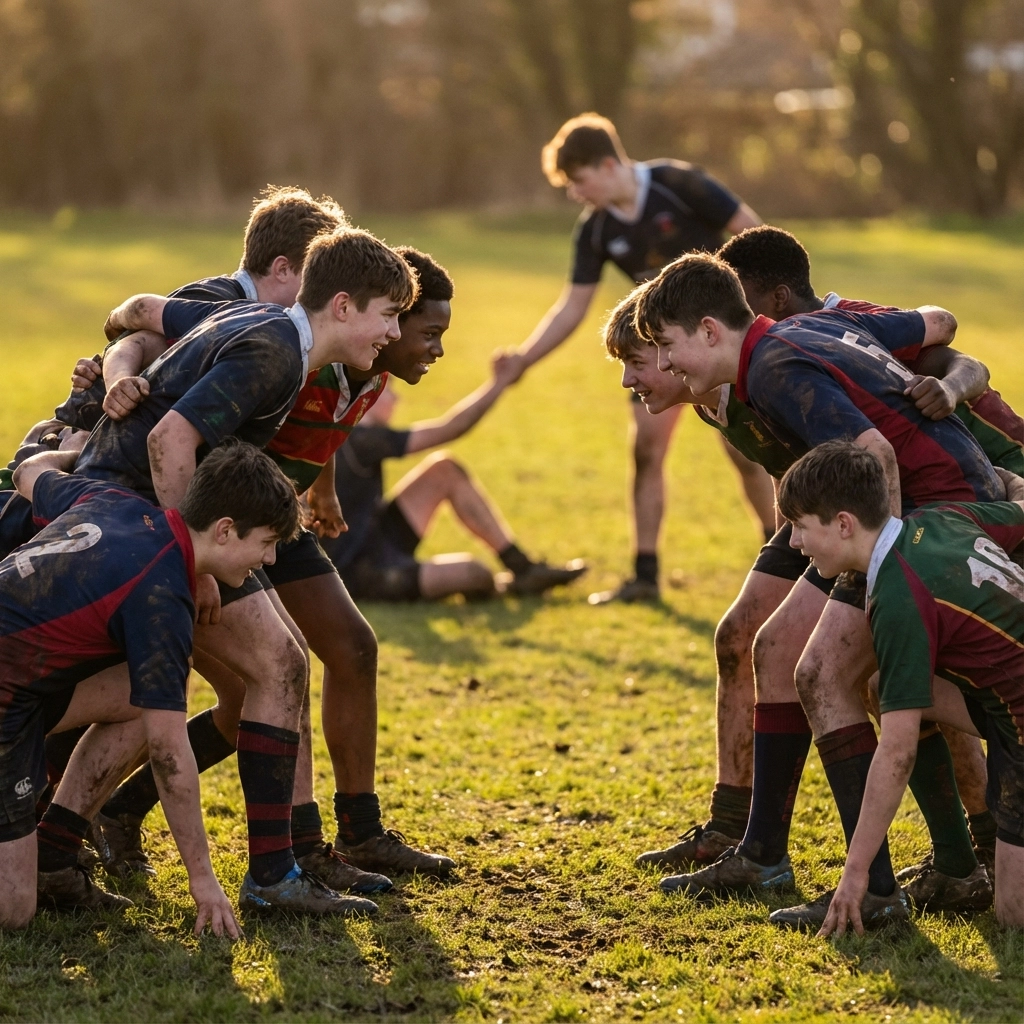
In Colorado's youth rugby programs, we see respect manifesting in beautiful ways. A stronger player naturally mentoring a newer teammate. A young athlete accepting coaching feedback without defensiveness. Players celebrating others' successes as enthusiastically as their own.
The respect principle extends beyond the field. Young rugby players learn to listen actively, appreciate different perspectives, and treat everyone: from janitors to principals: with equal courtesy. These habits become their default way of interacting with the world.
Practical tip for coaches: Implement a "respect check" at the end of each practice. Ask players to identify one moment when they showed or received respect during training. This builds awareness and reinforces the value.
Integrity: Doing Right When Nobody's Looking
Rugby's tradition of self-officiating at the youth level creates powerful opportunities for character development. When players are expected to call their own knock-ons or forward passes, they learn that integrity isn't conditional: it's who you are, not what you do when people are watching.
Integrity means admitting mistakes, honoring commitments, and standing up for what's right even when it's uncomfortable. In rugby, this might look like a player acknowledging they didn't ground the ball properly for a try, even if the referee didn't see it. Off the field, it's turning in homework they're proud of rather than copying from friends.
Colorado's rugby community has countless stories of young players making integrity-driven decisions that shaped their character. The student who returned found money instead of keeping it. The athlete who owned up to missing curfew at a tournament. The player who stood up for a teammate being bullied at school.
These moments of integrity become defining experiences. They teach young athletes that their reputation isn't built on what they achieve, but on who they are when tested.
Practical tip for parents: Create opportunities for integrity practice at home. Let your young athlete make decisions and face the consequences: both positive and negative. This builds the decision-making muscle they'll need throughout life.
Passion: Fueling Excellence Through Love of the Game
Passion in rugby isn't just about enthusiasm: it's about developing a deep love for improvement, teamwork, and challenge. When young athletes discover their passion for rugby, they unlock an internal drive that transforms everything they touch.
Passionate athletes practice skills in their backyard because they want to, not because they have to. They study game footage not as homework, but as entertainment. They encourage teammates naturally because they genuinely want everyone to succeed.
This passion becomes contagious. In Colorado's rugby programs, we see passionate young players inspiring their schools to start rugby clubs, convincing friends to try the sport, and bringing energy that lifts entire teams.
The key is helping young athletes find what they love about rugby: whether it's the strategic elements, the physical challenges, the team bonds, or the personal growth opportunities. Once they connect with their "why," passion follows naturally.
Practical tip for coaches: Help each player identify their unique rugby passion. Ask questions like "What moment in rugby makes you feel most alive?" or "What aspect of the game do you think about most?" Then tailor development opportunities around those interests.
Solidarity: Building Unbreakable Bonds
Rugby's solidarity principle creates something magical: genuine belonging. The shared struggles of tough training sessions, the collective celebration of team victories, and the mutual support during setbacks forge bonds that last lifetimes.
Solidarity teaches young athletes that individual success means nothing without team success. A winger who scores multiple tries but doesn't pass to open teammates hasn't truly succeeded. A forward who dominates individually but doesn't support struggling teammates misses the point entirely.
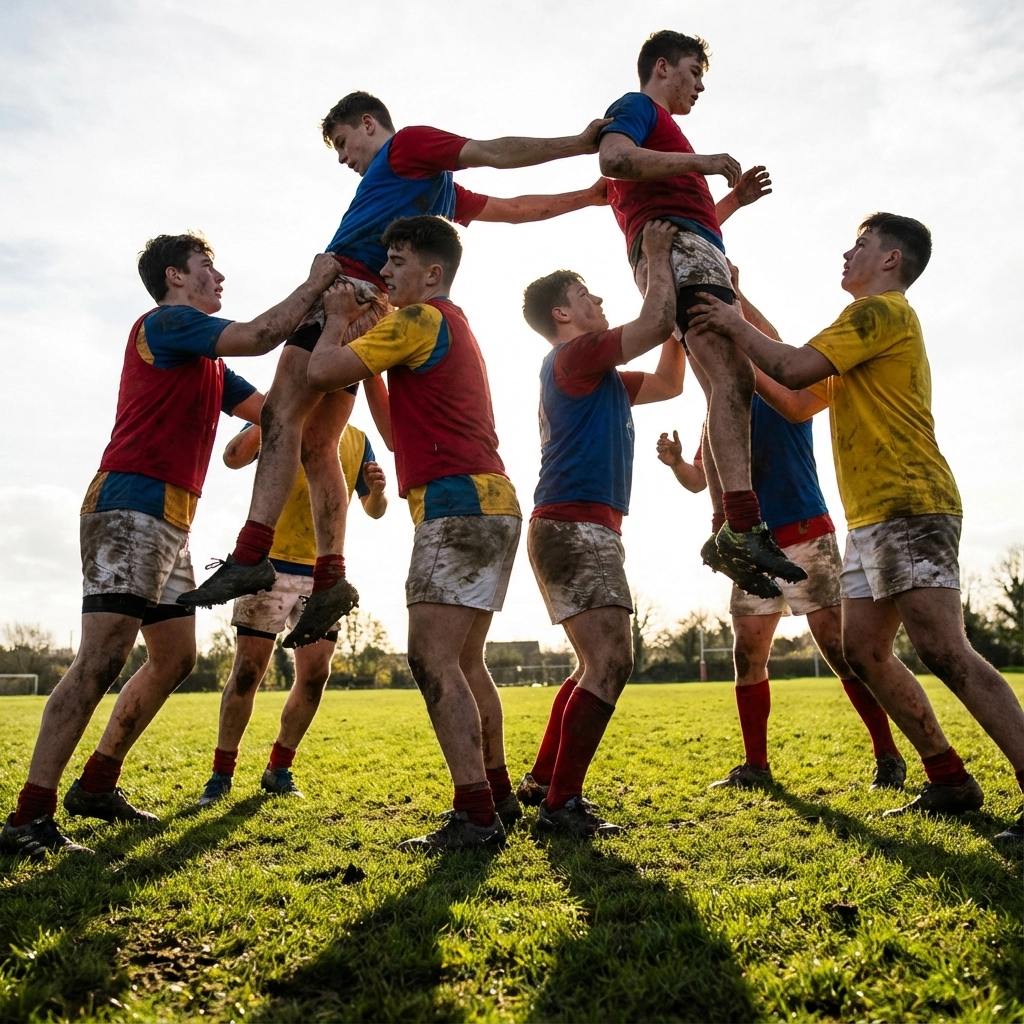
In Colorado's diverse rugby community, solidarity bridges every gap. Players from different schools, backgrounds, and economic situations become genuine friends united by their shared commitment to the team. This experience of authentic belonging: based on character and contribution rather than superficial factors: shapes how they approach relationships throughout life.
Solidarity also means showing up for teammates off the field. Rugby players support each other through academic challenges, family difficulties, and personal struggles. They learn that being part of something bigger than themselves is both a privilege and a responsibility.
Practical tip for teams: Create traditions that reinforce solidarity. Maybe it's a post-game meal where everyone shares one positive observation about a teammate. Or a group chat where players celebrate each other's non-rugby achievements. These rituals strengthen the bonds that make rugby special.
Bringing It All Together in Colorado
The magic happens when these five principles work together. A disciplined athlete who respects teammates, competes with integrity, brings passion to improvement, and prioritizes team solidarity becomes unstoppable: not just in rugby, but in life.
Colorado's rugby programs have a unique opportunity to develop these characteristics in young athletes who will become tomorrow's leaders. Whether your child plays for a school team, club program, or is just getting started, these principles provide a roadmap for character development that extends far beyond sport.
The beautiful truth about rugby is that it doesn't just build better athletes: it builds better humans. Every training session, every match, every team meeting becomes an opportunity to strengthen character that will serve these young people for the rest of their lives.
Ready to see these principles in action? Visit our services page to learn more about SAFFA RUGBY's character-focused approach to youth development, or book a session to give your young athlete the transformational experience that only rugby can provide.
Comments