
The Ultimate Guide to Rugby College Recruiting: Everything Colorado Parents and Players Need to Succeed

Rugby is exploding across American universities, and Colorado players are perfectly positioned to capitalize on this growth. Whether your teenager is a seasoned player or just discovering the sport, the path to college rugby offers incredible opportunities for athletic scholarships, character development, and lifelong connections.
But here's the reality: most Colorado families don't know where to start with rugby recruiting. Unlike traditional American sports, rugby recruiting operates differently, and the opportunities are often hidden from mainstream view. This guide will change that.
Why Rugby Recruiting is Different (And Better Than You Think)
Rugby recruiting isn't like football or basketball. It's more accessible, relationship-driven, and focused on character as much as athletic ability. Many programs are actively seeking players who embody rugby's core values: discipline, respect, integrity, passion, and solidarity.
The best part? You don't need to be a rugby prodigy to get recruited. College coaches understand that rugby is still growing in America, and they're willing to develop raw athletic talent. Your Colorado athlete's background in football, wrestling, track, or even soccer can translate beautifully to rugby success.

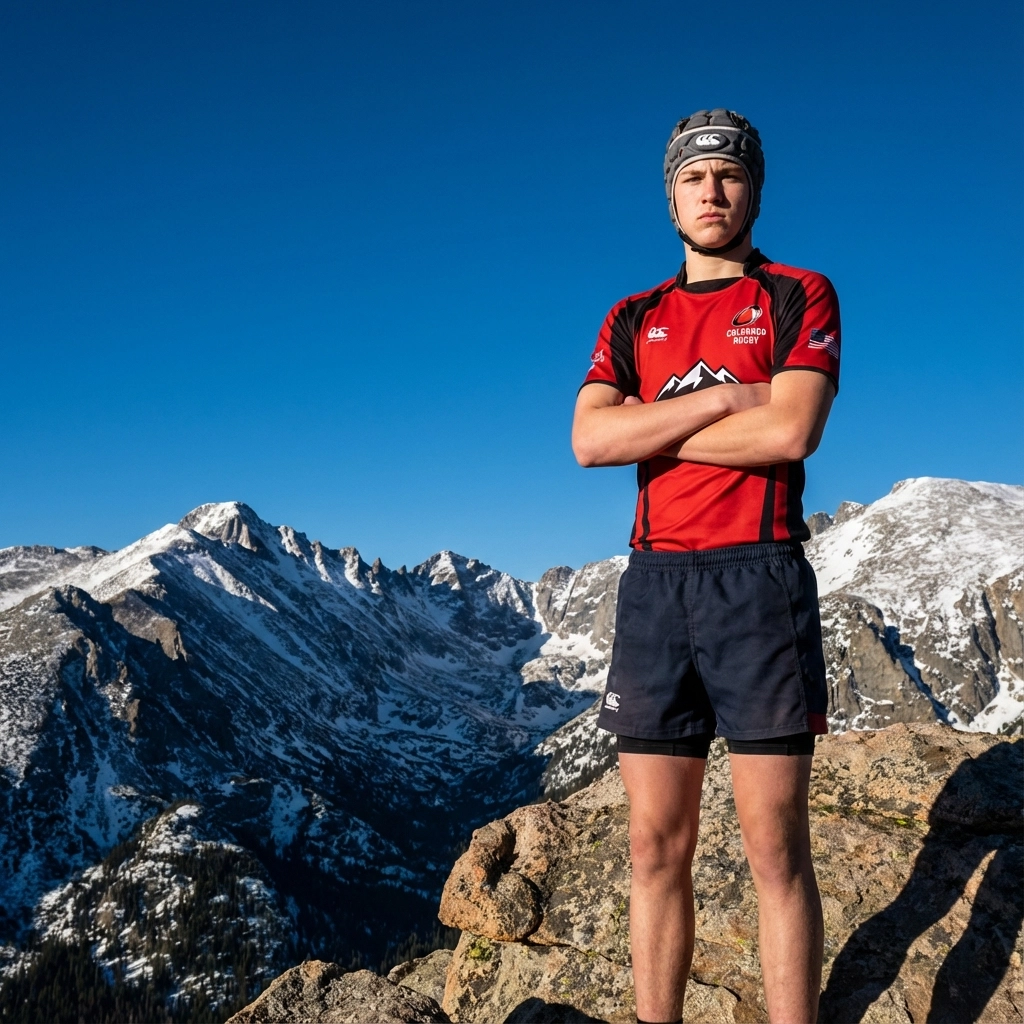
The Colorado Advantage: Why Your Location Matters
Colorado offers unique advantages in rugby recruiting that many families don't realize:
High Altitude Training: College coaches know Colorado athletes are conditioned differently. The cardiovascular benefits of training at altitude translate directly to superior field performance at sea level.
Growing Rugby Community: Colorado's rugby scene is expanding rapidly, with youth programs in Denver, Boulder, Colorado Springs, and Fort Collins producing increasingly competitive players.
Academic Excellence: Colorado's strong educational reputation opens doors. Many of the state's high schools are well-regarded by college admissions offices, giving your athlete an academic edge alongside their rugby potential.
When to Start: The Recruiting Timeline
Freshman/Sophomore Year: Focus on athletic development and academic excellence. If your athlete isn't playing rugby yet, this is the perfect time to start. Join local clubs, attend camps, and build fundamental skills.
Junior Year: Begin serious recruiting preparation. Create highlight videos, research programs, and start initial coach outreach. This is when the recruiting process accelerates.
Senior Year: Finalize communications, take visits, and make decisions. Many programs make offers during the fall of senior year.
Starting early gives you massive advantages. Coaches recruit continuously and value watching player development over time. Even if your athlete is brand new to rugby, beginning the journey in freshman or sophomore year provides ample time to develop skills and showcase growth.
Building Your Recruiting Foundation
Academic Excellence Comes First
College rugby programs want student-athletes who can handle rigorous academic demands. Maintain strong GPAs (3.5+ is competitive), excel on standardized tests, and choose challenging coursework that demonstrates intellectual curiosity.
Don't underestimate this aspect. While rugby programs may have more recruiting flexibility than mainstream sports, academic standards remain high, especially at prestigious universities.
Athletic Development Strategy
Cross-Training Benefits: Your athlete doesn't need to abandon other sports for rugby. Football players bring physicality and tactical understanding. Track athletes contribute speed and conditioning. Soccer players add agility and ball skills. Wrestling develops grappling and mental toughness.
Rugby-Specific Skills: Focus on fundamentals – passing, catching, rucking, lineout skills, and tactical understanding. These technical aspects often matter more than pure athleticism.
Fitness Priorities: Rugby demands cardiovascular endurance, functional strength, and injury prevention. Colorado's outdoor training opportunities are perfect for developing rugby-specific fitness.
Creating Your Recruiting Profile
The Digital Portfolio
Your recruiting profile is your calling card. Include:
Contact Information: Professional email address, phone number, and social media handles
Academic Stats: GPA, SAT/ACT scores, class rank
Athletic Achievements: Rugby accomplishments, other sports experience, awards
Character References: Coaches, teachers, community leaders who can speak to your athlete's character
Highlight Video: 3-5 minutes showcasing best rugby moments
Video Production Tips
Quality matters, but perfection doesn't. Focus on:
Clear footage of game situations
Multiple camera angles when possible
Skills demonstrations (passing, kicking, lineout lifting)
Game awareness and decision-making moments
Many Colorado clubs can help with video production, or you can create compelling content with a smartphone and basic editing software.
Navigating the Recruiting Process
Research Phase
Not all rugby programs are created equal. Research:
Program Level: NCAA Division I, II, III, NAIA, or club level Academic Reputation: Does the school offer strong programs in your athlete's academic interests? Rugby Culture: Competitive focus, training intensity, team values Geographic Considerations: Distance from Colorado, travel costs, family visits
Communication Strategy
Student-Athlete Leads: Your teenager should handle all direct coach communication, with parents staying informed but not taking over.
Professional Tone: Emails should be polite, concise, and error-free. Coaches notice communication skills.
Persistent But Respectful: Follow up appropriately, but don't overwhelm coaches with excessive contact.
Coach Outreach Template
"Dear Coach [Name],
I'm [Student Name], a [year] at [High School] in [City], Colorado. I'm interested in [University] rugby and believe I could contribute to your program.
[Brief athletic/academic summary]
I've attached my recruiting profile and highlight video. I'd welcome the opportunity to discuss how I might fit with your program.
Respectfully, [Student Name] [Contact Information]"
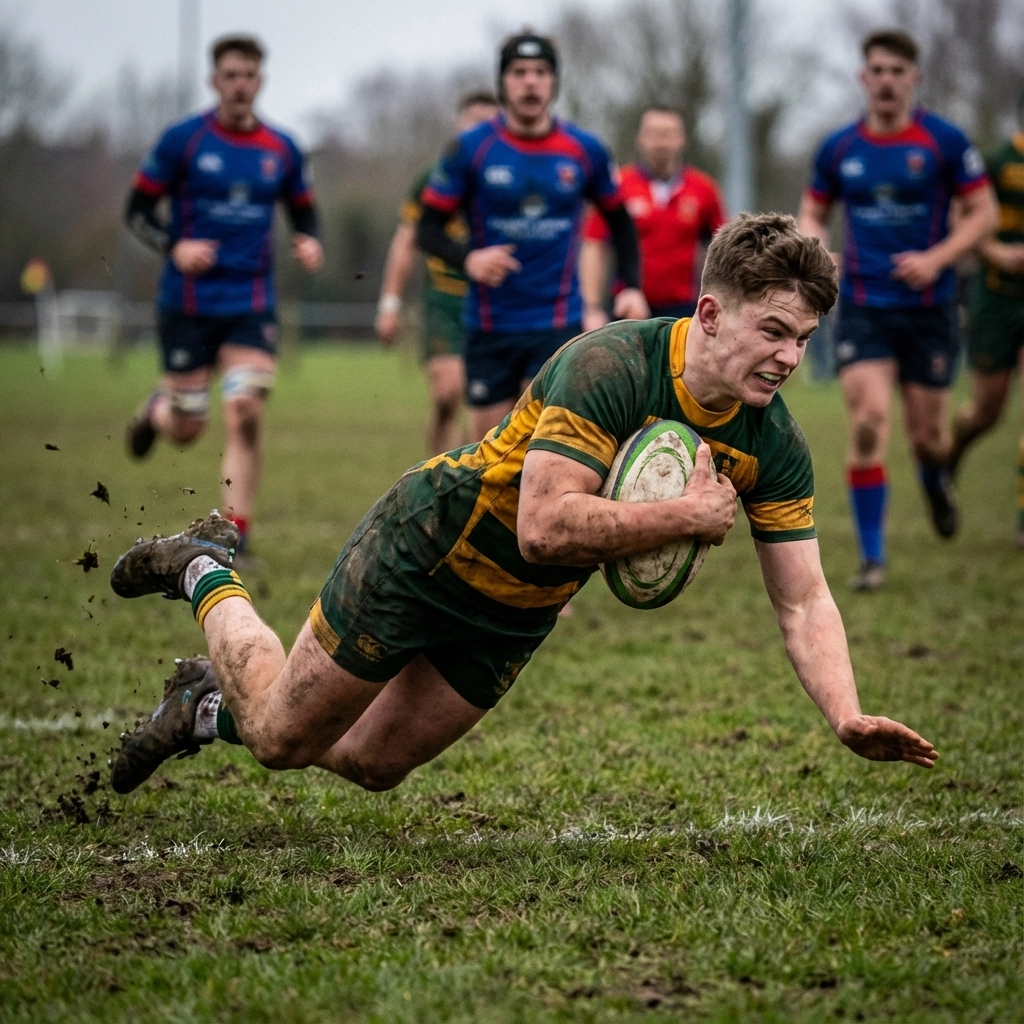
Standing Out as a New Player
Many successful college rugby players started late. Here's how to accelerate your development:
Immerse Yourself Quickly
Join multiple local clubs for diverse experience
Attend every camp and clinic available
Watch professional rugby to understand advanced strategies
Study the game's history and culture
Leverage Transferable Skills
Football Background: Emphasize tackling technique, physicality, and team coordination Soccer Experience: Highlight field awareness, quick decision-making, and fitness Wrestling/Martial Arts: Showcase grappling skills, mental toughness, and individual combat experience
Character Development
Rugby values character intensely. Demonstrate:
Leadership: Captain other teams, volunteer in community, mentor younger players
Coachability: Show eagerness to learn, accept feedback positively, adapt quickly
Team-First Mentality: Support teammates, celebrate others' success, put team goals above individual recognition
Colorado-Specific Opportunities
Regional Programs to Consider
Strong Western Programs: University of Colorado, Colorado State, Air Force Academy, Colorado School of Mines all have competitive rugby programs with varying levels of competitiveness.
National Opportunities: Don't limit yourself geographically. Rugby programs nationwide actively recruit Colorado athletes, recognizing the state's athletic development advantages.
Local Development Resources
Many Colorado rugby clubs offer development programs specifically designed for college-bound athletes. These programs provide structured training, competitive experience, and recruiting guidance tailored to local student-athletes.
Making the Final Decision
When evaluating opportunities, consider:
Academic Fit: Will this school challenge your athlete intellectually and prepare them for career success?
Athletic Development: Does the program offer appropriate competition level and coaching quality for continued growth?
Cultural Alignment: Do the team values and campus culture align with your family's priorities?
Financial Considerations: What scholarship opportunities exist, and how do they compare to total education costs?
Your Next Steps
The rugby recruiting journey is challenging but incredibly rewarding. Colorado athletes have natural advantages that, combined with strategic preparation and persistent effort, can open doors to outstanding educational and athletic opportunities.
Remember: rugby programs want athletes who embody the sport's values as much as athletic ability. Your character, work ethic, and coachability matter enormously. Start early, stay committed, and trust the process.
The rugby world is waiting for your Colorado athlete. Now you know how to help them get there.
Comments