
Mental Skills Are the Software That Drives the Hardware: How SAFFA Rugby's New Partnership Changes Everything

Think of your body as a high-performance computer. You can have the fastest processor, the most RAM, and the best graphics card money can buy: but without the right software, it's just an expensive paperweight. The same principle applies to rugby players, especially young athletes here in Colorado.
Your physical skills: speed, strength, agility, technique: that's your hardware. But your mental skills? That's the software that makes everything work together. And here's the kicker: most youth rugby programs spend 90% of their time upgrading the hardware and barely 10% on the software.
That's about to change at SAFFA RUGBY.
Why Mental Skills Actually Win Games
We've all seen it happen. Two players with similar physical abilities step onto the field, but one consistently outperforms the other. The difference isn't in their sprint times or bench press numbers: it's what's happening between their ears.
Mental skills aren't some mystical concept reserved for elite athletes. They're practical tools that every rugby player can develop:
Focus and concentration during crucial moments
Confidence to make bold decisions under pressure
Resilience to bounce back from mistakes quickly
Communication that keeps teams connected
Visualization to prepare for different game scenarios
For young players especially, these mental tools often determine who progresses to higher levels of play and who gets stuck on the bench: regardless of their physical talents.
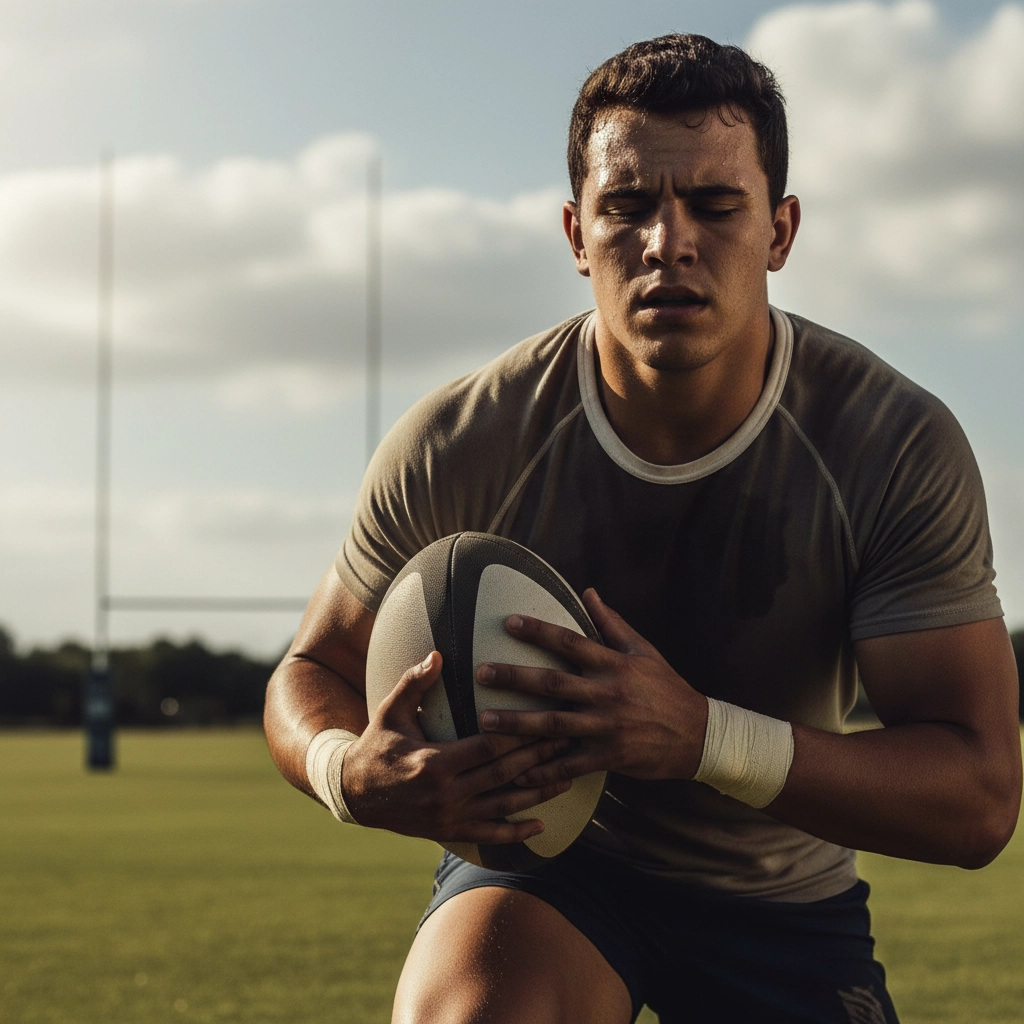
The Game-Changing Partnership
SAFFA RUGBY has partnered with Mark Zimmerman from ON THE MARK COACHING to bring world-class mental performance training directly to Colorado's young rugby players. This isn't just another add-on service: it's a fundamental shift in how we develop complete rugby players.
Mark brings decades of experience working with elite athletes across multiple sports. His approach isn't about generic motivational speeches or feel-good psychology. It's about teaching practical mental skills that translate directly to better performance on the rugby field.
What makes this partnership special? Mark understands that youth athletes learn differently than adults. His methods are designed specifically for developing minds, using techniques that young players can actually understand and apply immediately.
What This Means for Colorado Players
Every SAFFA RUGBY program now integrates mental skills training as a core component, not an afterthought. Here's what that looks like in practice:
Pre-Game Mental Preparation: Players learn specific routines to get into the right mindset before matches. No more hoping they'll "just figure it out" when game time arrives.
In-Game Decision Making: Through visualization and scenario training, players develop the mental clarity to make better decisions when the pressure's on. That split-second choice between passing or taking contact? They'll be ready for it.
Post-Game Processing: Win or lose, players learn how to analyze their performance constructively, building confidence from successes and extracting lessons from mistakes without getting stuck in negative cycles.
Handling Pressure: Colorado youth rugby is getting more competitive every year. Our players learn how to use pressure as fuel rather than letting it become a burden.
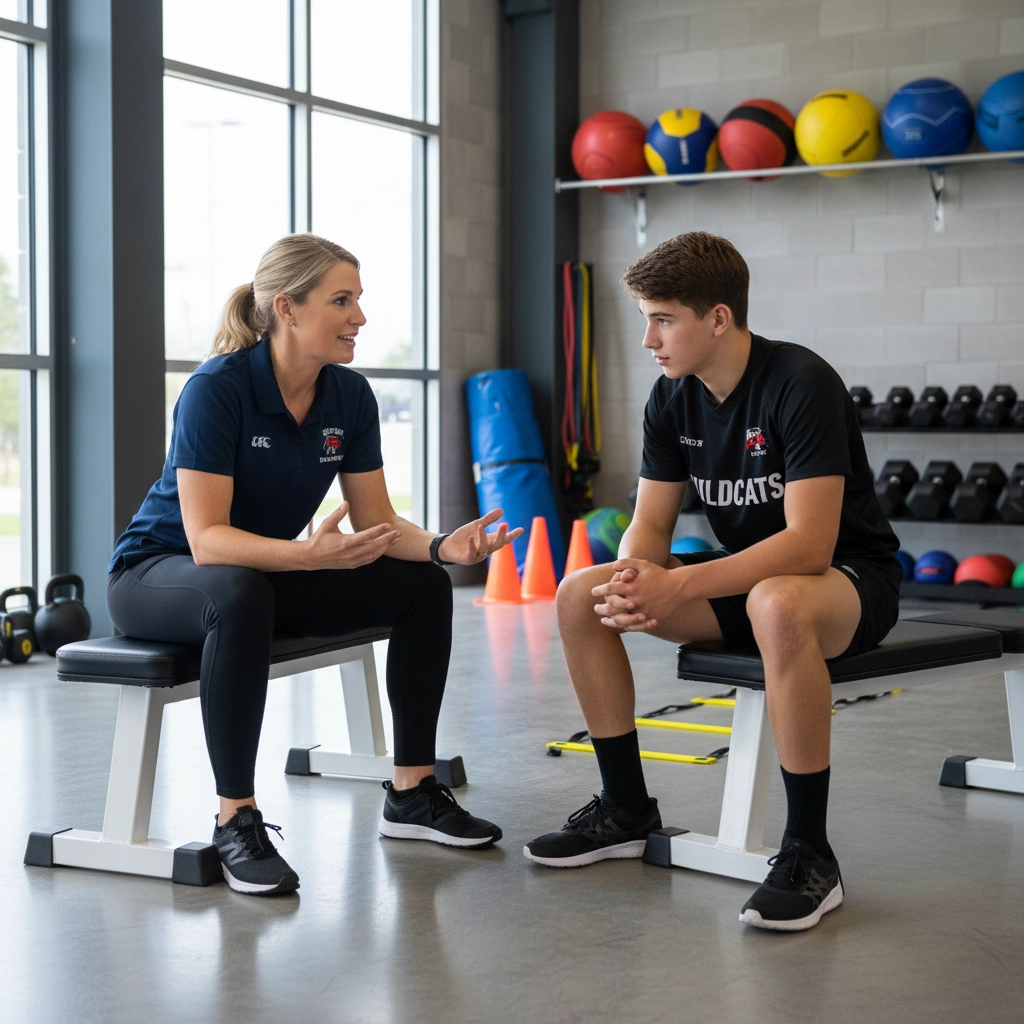
The Science Behind the Software
Mark's approach is based on proven sports psychology principles, but delivered in ways that make sense to young athletes. Here are some key areas we focus on:
Mindfulness and Present-Moment Awareness: Sounds fancy, but it's really about staying focused on what's happening right now instead of worrying about the last play or the next one. This skill alone can transform a player's consistency.
Goal Setting That Actually Works: Most kids set vague goals like "play better." We teach them to set specific, measurable objectives that create clear pathways for improvement.
Self-Talk Training: That voice in your head during games? We help players make it their ally instead of their enemy. Positive, constructive self-talk becomes an automatic response under pressure.
Emotional Regulation: Rugby is an emotional game. Players learn how to channel emotions like frustration or excitement in ways that enhance rather than hinder their performance.
Real-World Applications
This isn't theoretical stuff that sounds good in a PowerPoint presentation. Here's how mental skills training shows up in actual rugby situations:
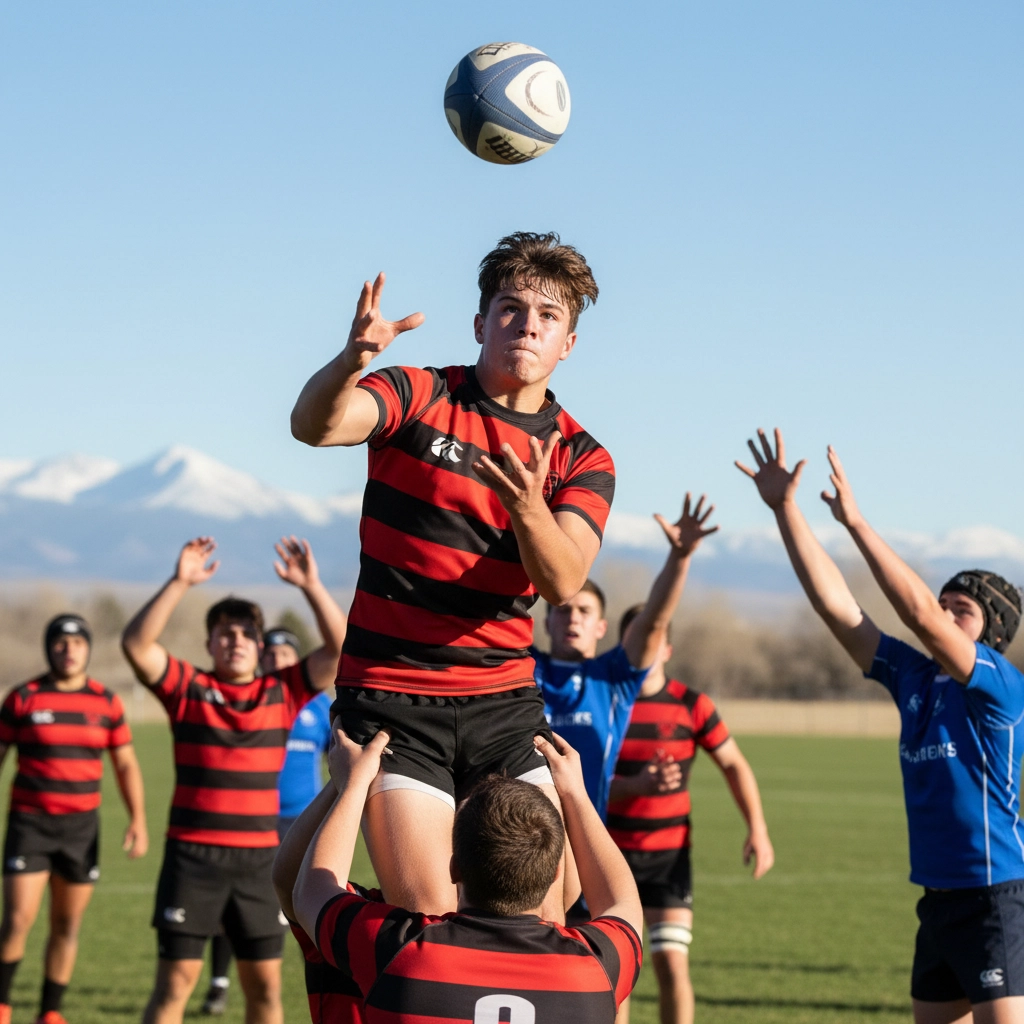
Lineout Scenarios: The hooker learns visualization techniques to see successful throws before they happen, building confidence in crucial moments.
Scrum Engagement: Front row players develop pre-engagement routines that create consistency and focus, regardless of external pressure.
Kicking Under Pressure: Whether it's a conversion attempt or a penalty kick, players learn breathing techniques and focus cues that improve accuracy when it matters most.
Leadership Development: Captains and senior players develop communication skills and emotional intelligence that make them more effective leaders on and off the field.
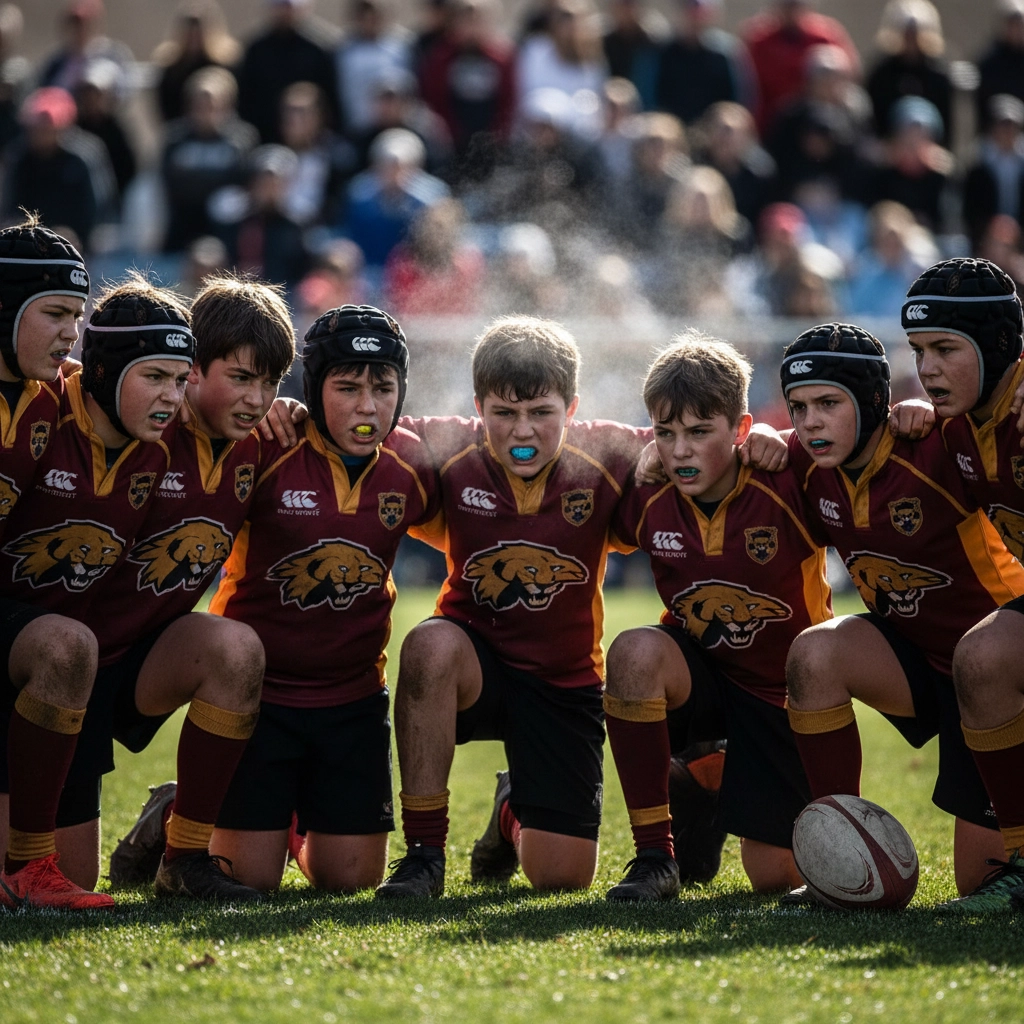
Why Parents Should Care
If your child is serious about rugby, this partnership gives them advantages that extend far beyond the sport itself. The mental skills they develop through Mark's training translate to:
Better performance in school through improved focus and goal-setting
Increased confidence in social situations
Enhanced problem-solving abilities
Greater resilience when facing challenges
Leadership skills that serve them throughout life
These aren't just rugby skills: they're life skills disguised as sports training.
The Competitive Edge for Colorado
Rugby in Colorado is exploding, and competition for spots on high school teams, club teams, and representative squads is getting fierce. Players who develop strong mental skills alongside their physical abilities have a massive advantage.
College scouts and coaches increasingly look for players who demonstrate mental toughness, leadership qualities, and the ability to perform under pressure. Physical skills might get you noticed, but mental skills get you selected.
The partnership with ON THE MARK COACHING ensures SAFFA RUGBY players aren't just physically prepared: they're mentally equipped to handle whatever competitive rugby throws at them.
What Makes This Partnership Different
Lots of coaching programs talk about mental toughness, but few actually teach it systematically. Mark's approach is different because:
It's Age-Appropriate: Techniques are designed specifically for youth athletes, not just scaled-down adult methods.
It's Practical: Every concept ties directly to rugby situations players will actually face.
It's Measurable: Progress in mental skills can be tracked and improved just like physical abilities.
It's Integrated: Mental training isn't separate from physical training: they work together seamlessly.
The Road Ahead
This partnership represents more than just an upgrade to our training programs. It's a commitment to developing complete rugby players who can compete at the highest levels while building character and life skills that serve them long after their playing days end.
For young players in Colorado, this means access to mental performance training that was previously available only to elite athletes. For parents, it means knowing your child is developing tools that will benefit them in all areas of life.
The hardware: physical skills: will always be important in rugby. But in an increasingly competitive landscape, it's the software: mental skills: that separates good players from great ones.
At SAFFA RUGBY, we're not just building better rugby players. We're building better people, equipped with both the physical tools and mental software they need to succeed at whatever level they choose to pursue.
The game is changing. The players who adapt: mentally and physically: will be the ones who thrive.
Ready to upgrade your rugby software? Visit our website to learn more about how SAFFA RUGBY's partnership with ON THE MARK COACHING can transform your child's game from the inside out.
Comments