
Effort or Talent? The Real Reason Some Youth Rugby Players Succeed in Colorado
- Zoek Web Design
- Sep 17, 2025
- 5 min read

Picture this: Two 12-year-old rugby players show up to tryouts in Colorado. One kid is clearly the most athletic: faster, stronger, more coordinated than everyone else. The other kid? Average size, nothing special physically, but watch them closely and you'll notice something different. They're the first one at practice, last one to leave, and they get back up every single time they're tackled.
Fast forward five years. Guess which player is more likely to still be playing rugby: and excelling at it?
If you picked the "average" kid, you're absolutely right. And the research backs this up in ways that might shock you.
The Brutal Truth About Early Talent Identification
Here's a stat that'll make you rethink everything you know about youth sports: In South African rugby studies, only 31.5% of players selected for Under-13 elite competitions were still competing at Under-16 level. Even more eye-opening? Just 24.1% made it to Under-18 elite rugby.
Think about that for a second. Nearly 70% of the "most talented" 13-year-olds were gone by age 16. These weren't kids who got injured or moved away: these were the supposed future stars who simply couldn't maintain their early advantage.
What's happening here? It's called the Relative Age Effect, and Malcolm Gladwell wrote about it in "Outliers." Basically, we're often mistaking physical maturity for talent. The kid who's 6 months older in an Under-14 division isn't necessarily more talented: they're just bigger and stronger right now.
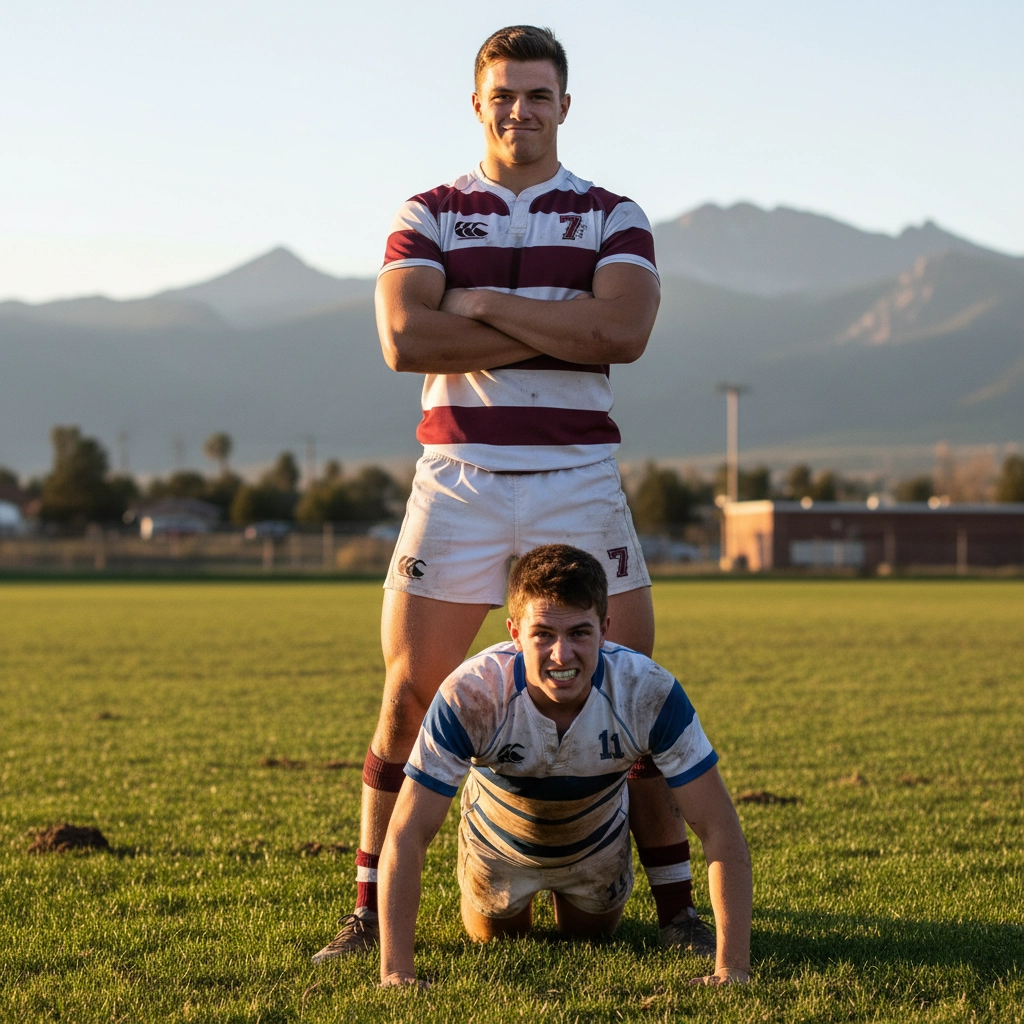
At SAFFA RUGBY, we see this pattern play out constantly in Colorado. That physically dominant 12-year-old? They might cruise through middle school rugby without developing real work ethic, game intelligence, or resilience. Meanwhile, the smaller kids are learning to compete through skill, determination, and mental toughness: qualities that matter way more when everyone hits their growth spurts.
What Actually Predicts Long-Term Success
So if early physical dominance isn't the answer, what is? The research reveals three critical factors, and spoiler alert: raw talent isn't at the top of the list.
1. Personality and Work Ethic This is the big one. Players who succeed long-term display "tremendous resilience, competitiveness, leadership qualities, and amazing belief in their own abilities." Notice what's missing from that list? Nothing about speed or strength.
We've seen this firsthand with our Colorado players. The kids who make it aren't always the most naturally gifted: they're the ones who show up to every practice, ask questions when they don't understand something, and keep working even when they're frustrated.
2. Versatility Over Early Specialization Successful rugby players typically excel across multiple sports and positions rather than specializing early. They build a broad athletic foundation that serves them well when the game gets more complex.
In Colorado's rugby scene, we encourage our young players to try different positions, play other sports, and focus on becoming complete athletes rather than one-dimensional specialists.
3. Mental Resilience Above All Here's what separates the players who make it from those who don't: the ability to bounce back from setbacks, learn from mistakes, and maintain confidence even when things aren't going well.
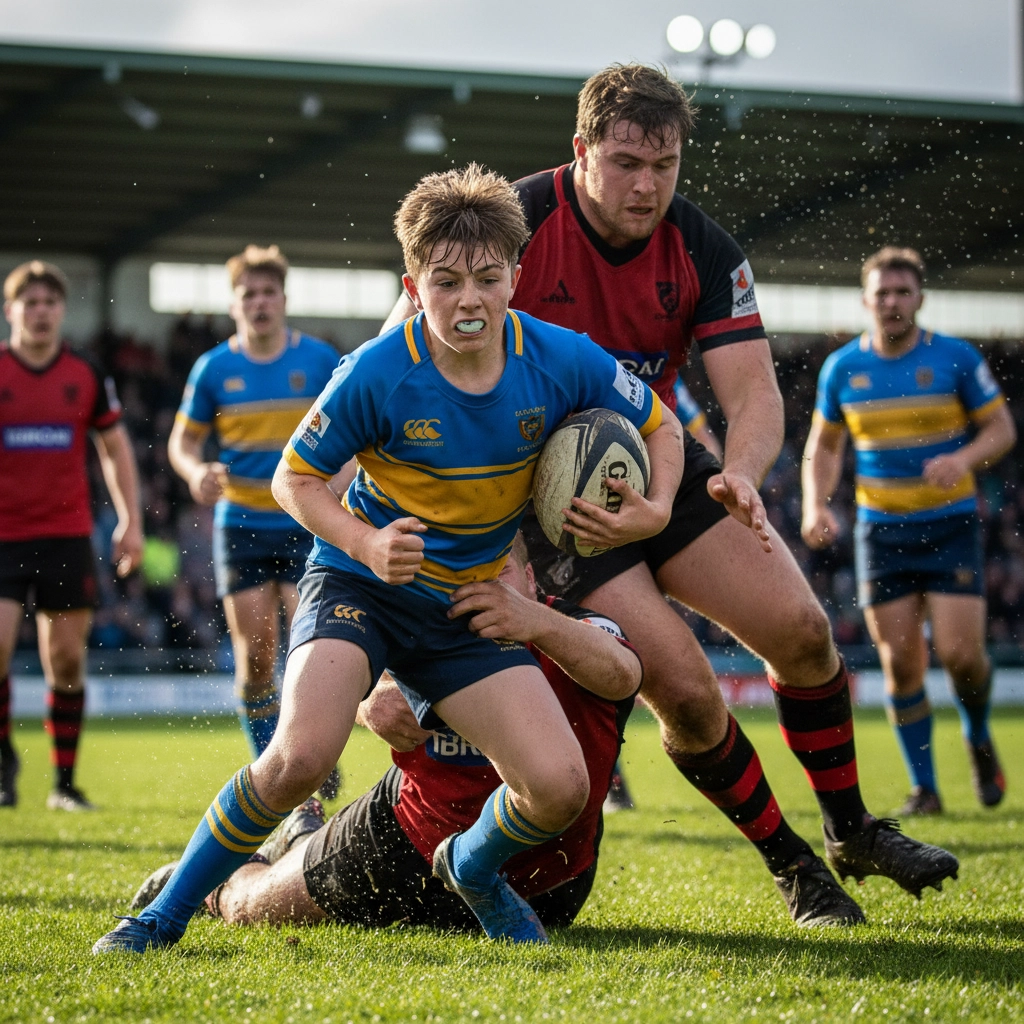
The beautiful thing about mental toughness? It can be developed. Unlike height or raw speed, resilience and determination are skills that any player can build with the right coaching and support system.
SAFFA RUGBY's Development-First Philosophy
This research isn't just academic theory for us: it's the foundation of everything we do in Colorado. While other programs might chase the early bloomers and focus on immediate results, we're playing the long game.
Our approach centers around building character alongside rugby skills. We know that the 13-year-old who struggles but keeps trying is often more valuable than the natural athlete who's never had to work for anything.
Rob Quickfall, one of our key coaches, puts it perfectly: "Culture, teamwork, and dominance." Notice that "dominance" comes last: after culture and teamwork. We're building respectful, resilient individuals who happen to play great rugby, not just rugby players.
This philosophy shows up in our training methods. Instead of running drills that favor the naturally athletic kids, we use game-based coaching that develops decision-making skills, rugby intelligence, and problem-solving abilities. These cognitive skills can't be measured in a 40-yard dash, but they're what separate good players from great ones.
The Late Bloomer Advantage
Here's something that might surprise you: late bloomers often have significant advantages over early identified "talent."
They develop superior work ethics from having to overcome initial disadvantages. While the naturally gifted kid might coast through early years, the late bloomer learns that success requires effort.
They build genuine resilience through facing rejection from elite teams and having to prove themselves repeatedly. This mental toughness becomes invaluable when facing adversity later in their rugby journey.
They maintain intrinsic motivation for the sport rather than playing for external validation. They genuinely love rugby, not just the praise that comes with being labeled "talented."
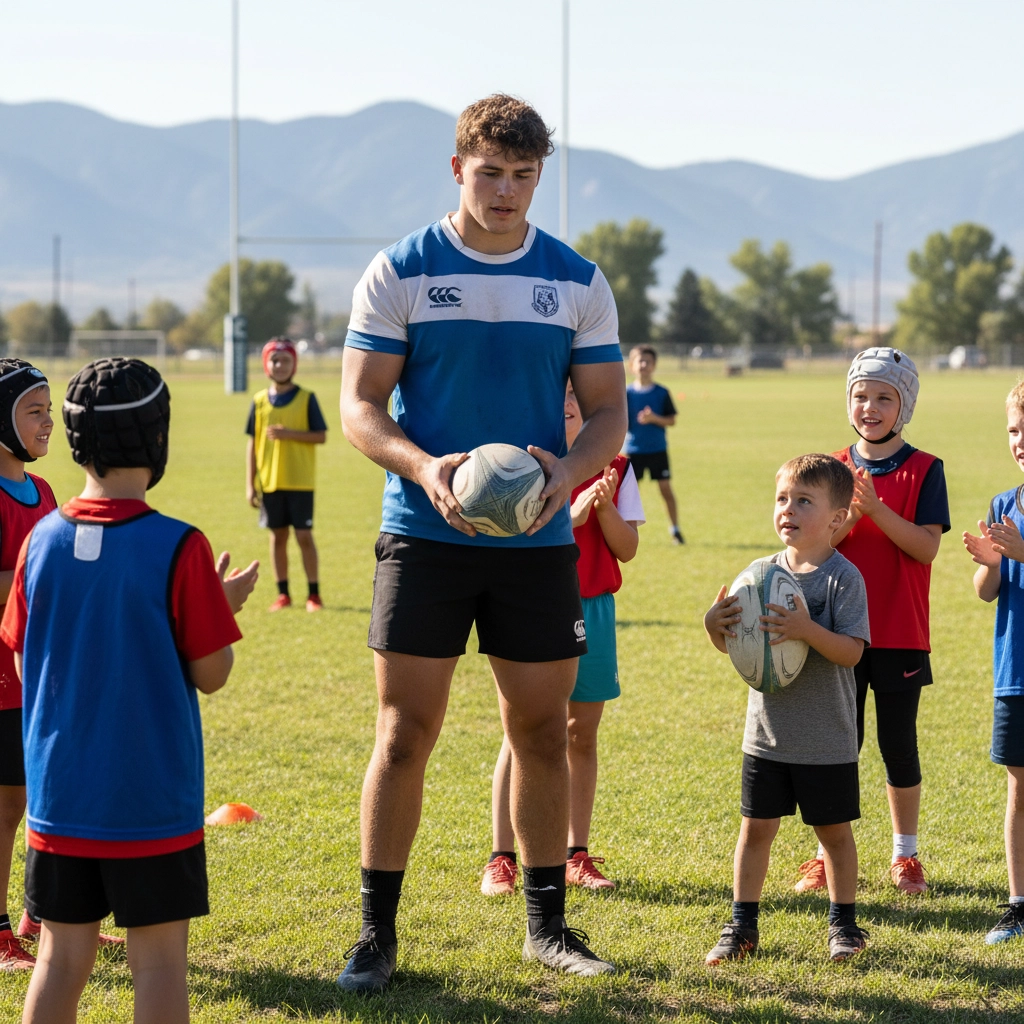
In Colorado's growing rugby scene, this creates incredible opportunities. Our club system and emphasis on inclusive development provide pathways for these determined athletes to flourish when physical differences level out during late adolescence.
What This Means for Parents and Coaches
If you're a parent of a young rugby player in Colorado, here's what you should focus on:
Celebrate effort over outcome. When your kid makes a great tackle, praise their determination and technique, not just the result. When they struggle, emphasize what they learned and how they kept trying.
Encourage multi-sport participation. That kid playing soccer in fall, rugby in spring, and swimming in summer is building a more complete athletic foundation than the one who specializes in rugby at age 10.
Focus on character development. The values rugby teaches: respect, discipline, teamwork, resilience: matter far more than winning games at the youth level.
For coaches, the message is equally clear: your job isn't to identify talent: it's to develop it. Every player who shows up deserves your attention and coaching, regardless of their current ability level.
The Colorado Opportunity
What makes Colorado special for rugby development is our growing club system that embraces this development-first mentality. Organizations like Rugby Colorado provide opportunities for ages 5-18 with varying contact levels, emphasizing age-appropriate progression over early selection.
We're not just trying to win youth championships: we're building the foundation for lifelong rugby players and, more importantly, outstanding human beings.
The evidence is clear: while natural athleticism provides early advantages, sustained effort, proper character development, and resilience ultimately determine who succeeds in rugby's demanding long-term journey.
So next time you're watching youth rugby in Colorado and you see that smaller kid who keeps getting back up, working harder than everyone else, and never giving up: pay attention. You might be watching a future star in the making.
At SAFFA RUGBY, we believe every player has potential. Our job is to help them find it through effort, character, and an unshakeable love for this incredible game.
Ready to see what your young player can accomplish through proper development and support? Learn more about our programs and discover why effort beats talent every single time.
Comments