
5 Steps How to Choose the Right Youth Rugby Program in Colorado (Easy Guide for Parents)
- Zoek Web Design
- Sep 12, 2025
- 5 min read

Choosing the right youth rugby program for your child can feel overwhelming, especially if you're new to the sport. With Colorado's rugby scene exploding in popularity, parents have more options than ever – but that also means more decisions to make. The good news? Rugby is an incredible sport that builds character, teaches teamwork, and develops both physical and mental toughness in young athletes.
As passionate rugby advocates here at SAFFA RUGBY, we've seen firsthand how the right program can transform a child's athletic journey. Whether your kid is 6 or 16, finding the perfect fit requires looking beyond just the closest club or the cheapest option. You need to consider safety standards, coaching quality, age-appropriate development, and much more.
Let's break down the five essential steps every Colorado parent should follow when choosing a youth rugby program.
Step 1: Match Your Child's Age and Development Level
The first and most crucial step is finding a program that matches where your child is developmentally, not just chronologically. Youth rugby in Colorado typically serves kids from ages 5 to 18, but the approach varies dramatically across age groups.
For younger children (ages 5-10), look for programs emphasizing tag or flag rugby rather than full contact. These modified versions teach fundamental skills like passing, catching, and game awareness without the physical demands of tackle rugby. Many successful programs start with non-contact formats and gradually introduce more physical elements as players mature.

Middle school ages (11-14) represent a transition period where programs begin introducing controlled contact through proper technique training. High school programs (15-18) typically feature full-contact rugby with more advanced tactical elements.
The key is finding coaches who understand child development and don't rush young players into situations they're not ready for. Programs that push full contact too early often see higher injury rates and player burnout. At SAFFA RUGBY, we've learned that patient, progressive development creates more confident, skilled players in the long run.
Step 2: Evaluate Safety Standards and Coaching Credentials
Safety should be your non-negotiable top priority. Rugby, when taught correctly, has injury rates comparable to other youth sports like soccer or basketball. However, programs with poor safety standards can be dangerous.
Look for clubs that require coaches to have World Rugby coaching certifications or equivalent credentials. These programs teach proper tackling technique, injury prevention, and age-appropriate training methods. Coaches should also have current first aid and CPR certifications.
Ask about the club's safety protocols:
Do they have qualified medical personnel at games and practices?
What's their concussion management policy?
How do they handle equipment safety checks?
What's their coach-to-player ratio?
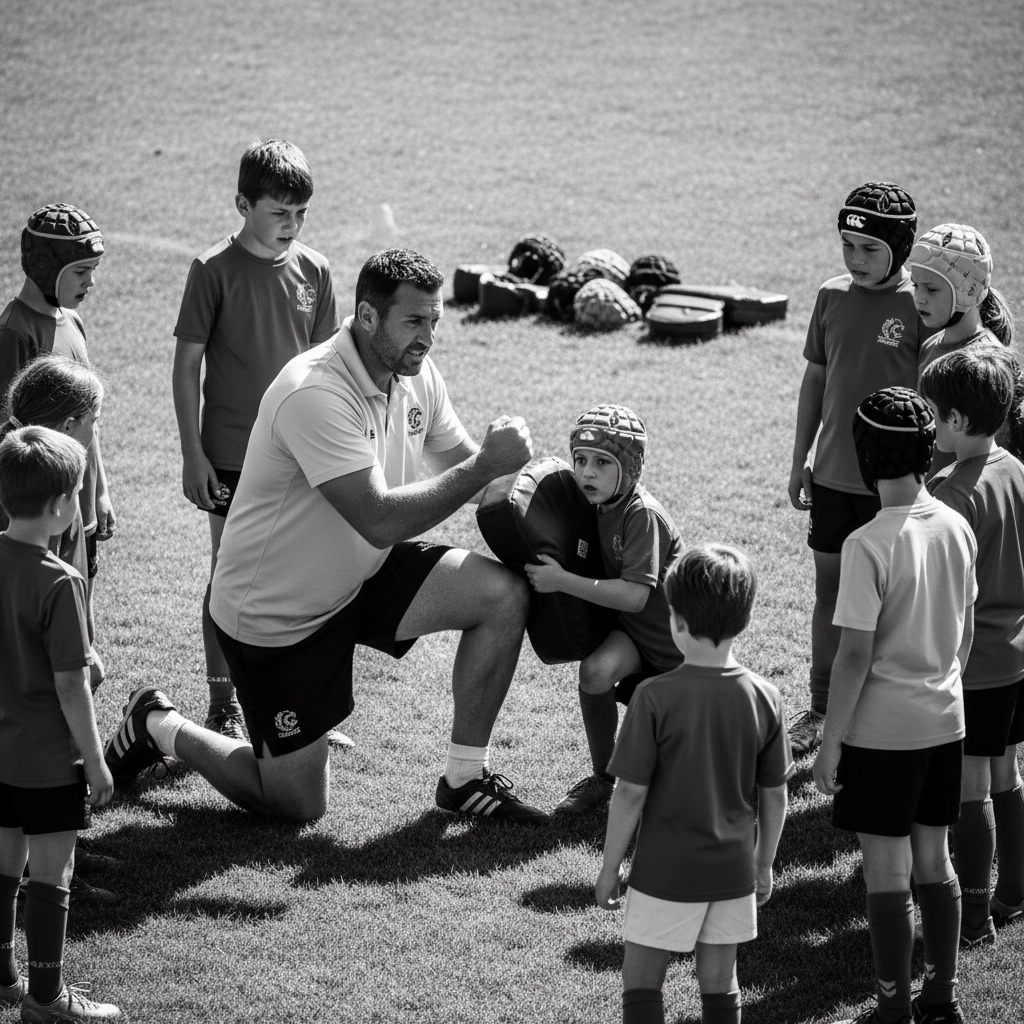
Red flags include coaches who can't explain their safety protocols, programs that seem to have frequent injuries, or clubs where coaches lack proper certifications. Remember, rugby's reputation for being "tough" doesn't mean it should be reckless.
Quality coaching goes beyond safety – it's about creating an environment where kids love the game and want to improve. The best youth rugby coaches focus on skill development, positive reinforcement, and making sure every child feels valued regardless of their ability level.
Step 3: Assess Program Structure and Time Commitment
Different families have different capacity for time commitment, and youth rugby programs vary widely in their demands. Some clubs practice twice a week with weekend games, while others might have a more relaxed once-weekly approach.
Consider your family's schedule realistically:
Practice frequency: Most quality programs practice 1-2 times per week
Season length: Spring and fall seasons typically run 8-12 weeks
Travel requirements: Some clubs play locally, others travel throughout Colorado
Additional commitments: Tournaments, social events, volunteer requirements
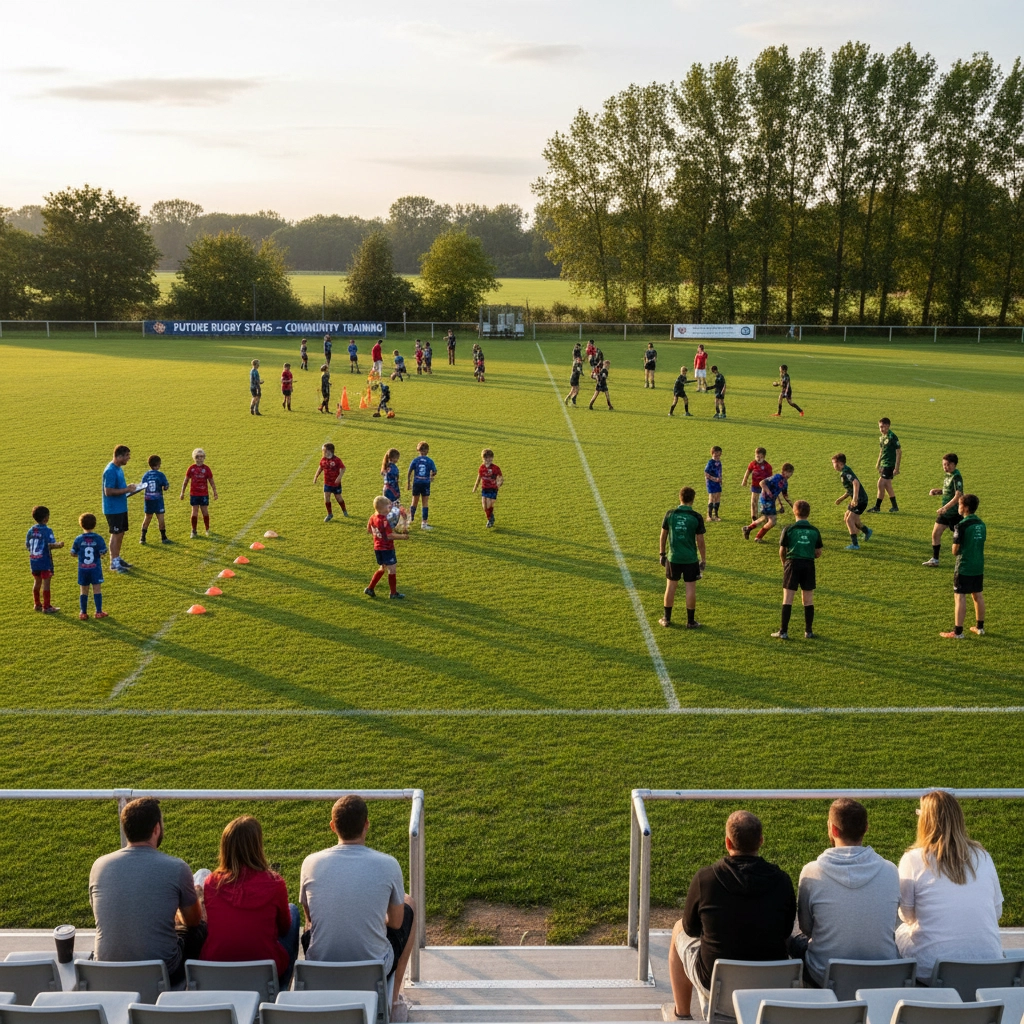
The sweet spot for most families is finding a program that provides enough structure to develop skills without overwhelming busy schedules. Programs that demand excessive time commitments often struggle with retention and can create stress for both kids and parents.
Also, consider the program's philosophy about playing time and competition. For younger ages, look for clubs that emphasize participation over winning. As players get older, more competitive elements naturally emerge, but even then, development should come before trophies.
Step 4: Research Facilities, Location, and Club Culture
The physical environment where your child will be playing matters more than you might think. Quality facilities contribute to both safety and enjoyment of the sport.
When evaluating facilities, look for:
Well-maintained grass fields (artificial turf can be acceptable but grass is preferable for rugby)
Proper field markings and goal posts
Adequate parking and spectator areas
Clean, accessible restroom facilities
Storage for equipment
Location is obviously important for logistics, but don't just choose the closest option without considering quality. A slightly longer drive to a significantly better program is often worth it.

Club culture might be the most important factor that's hardest to evaluate upfront. Visit a few practices and games to get a feel for:
How coaches interact with players
How parents behave on the sidelines
Whether the atmosphere feels supportive or overly competitive
How the club handles conflicts or challenges
The best youth rugby programs create a family-like atmosphere where kids, parents, and coaches all support each other. Avoid clubs where parents are overly aggressive, coaches seem stressed or negative, or where there's obvious drama between families.
Step 5: Understand Costs and Value Proposition
Youth rugby costs vary significantly across Colorado programs. Registration fees might range from $100-$400 per season, but that's just the beginning of your financial commitment.
Additional costs typically include:
Equipment: Rugby boots, mouthguard, practice gear ($100-$200)
Club jerseys and shorts: ($50-$100)
Tournament fees: ($20-$50 per tournament)
Travel expenses: Gas, hotels, meals for away games
End-of-season events: Team parties, awards ceremonies

However, don't let cost be your only deciding factor. The cheapest program isn't always the best value, especially if it compromises on coaching quality or safety. Conversely, the most expensive program isn't automatically the best choice.
Look for programs that are transparent about all costs upfront and offer scholarship programs for families who need financial assistance. Many quality clubs have fundraising opportunities or payment plans to make rugby accessible to more families.
Consider the long-term value proposition too. Programs with strong development pathways and connections to high school or club rugby can provide opportunities that extend well beyond youth sports. SAFFA RUGBY's approach to youth development focuses on building skills and passion that last a lifetime, not just winning games in the short term.
Making Your Final Decision
After working through these five steps, you should have a clear picture of which programs best fit your child's needs and your family's situation. Remember that the "best" program isn't universal – it's the one that matches your specific circumstances.
Trust your instincts about the people involved. If coaches, administrators, and other parents seem genuinely committed to creating a positive experience for kids, that's usually a good sign. If something feels off during your visits or conversations, don't ignore that feeling.
Finally, remember that choosing a youth rugby program isn't a lifetime commitment. Kids grow, circumstances change, and programs evolve. What matters most is giving your child a positive introduction to this amazing sport that could become a lifelong passion.
Colorado's rugby community is welcoming and supportive, and there are quality options available throughout the state. Take your time, do your research, and don't be afraid to ask questions. The right program is out there waiting for your young athlete.
Comments